

Home Blog Page 146

Pregnancy and Baby Loss

“The death of a baby is not a rare event. It can happen to anyone. Every year, thousands of people in the UK are affected by the death of a baby or experience pregnancy loss.

A collaboration between more than 60 charities across the UK, Baby Loss Awareness Week is held from 9 to 15 October to raise awareness about the key issues affecting those who have experienced pregnancy loss or baby death in the UK.

Throughout the week bereaved parents, their families and friends, unite with each other and others across the world to commemorate the lives of babies who died during pregnancy, at or soon after birth and in infancy” (Babylossawareness.org/).

A baby/pregnancy loss can be physically and emotionally challenging for everyone involved. Feelings such as loss, anger, failure, blame, shock, disbelief, emptiness, confusion, guilt and fear may be experienced. A time of happiness and joy can become a time of sorrow, grief and mourning.

A miscarriage occurs when a baby dies before 24 weeks gestation and 1 in 4 women will experience a miscarriage. A stillbirth is the death of a baby after 24 weeks gestation and in 2016 the rate was 1 in every 224 births in the UK. A neonatal death occurs when a baby dies within the first 28 day of birth. In 2016 in England and Wales the rate was 2.7 deaths per 1,000 live births

In 2016, SANDS (Stillbirth & Neonatal Death Charity: Bereavement Care in UK Maternity Units 2016 – A Snapshot) found that bereavement care across the country varied and 38% of maternity units did not have a specialist bereavement midwife. The main role of a bereavement midwife is to provide support and information to bereaved parents, their families and staff.

They also found that 1 in 3 Trusts and Health Boards did not have a dedicated bereavement room in each maternity unit they cover. This meant that bereaved parents could be on a normal labour or postnatal ward; which could compound their grief.

So what support may be available if you suffer a baby/pregnancy loss?

SANDS recommend:

1) Bereavement care training for all staff involved with bereaved parents,

2) All maternity staff to have access to a bereavement midwife,

3) A dedicated bereavement room or suite, away from the sound of live babies and happy parents,

4) Support booklets should be available for parents and professional guidelines on each unit and

5) All parents should be given the opportunity to discuss a post mortem examination with an experienced midwife or doctor.

Once discharged you will be under the care of the Community Midwives who will provide continued support at home e.g. managing lactation, emotional support. You may also be visited by your Health Visitor who may provide listening visits. Your GP will provide postnatal support, you can be referred for counselling and may have a follow up hospital appointment.

Volunteer befriending services, telephone support lines, local support groups, hospital chaplains, your religious leader, plus family and friends can also be a great source of support.

Fathers, partners, grandparents, siblings and other family members must not be forgotten during this time and will also need to be supported. It is important for them to talk about their feelings and how the death is affecting them.

Creating Memories of Your Baby

Special memories of your baby can be created by seeing and holding them, dressing them, taking photographs, having hand and footprints in ink/moulds or having a memory box. If you have an early miscarriage you may not be able to create all of these memories.


This article is sponsored by Independent health visitors. Check their website for more information. Read more related posts here.

Further reading suggestions

ARC: www.arc-uk.org

Bliss: https://www.bliss.org.uk/ Child Bereavement UK: www.childbereavement.org.uk

Lullaby Trust: www.lullabytrust.org.uk

Miscarriage Association: www.miscarriageassociation.org.uk SANDS: www.uk-sands.org

TAMBA Bereavement Support Group: www.tamba.org.uk/bsg TOMMY’s: www.tommys.org

We also provide antenatal and postnatal support, plus listening visits in the comfort of your home.

References

https://www.birmingham.ac.uk/research/activity/mds/centres/maternal-health/about/index.aspx

Stillbirth & Neonatal Death Charity: Bereavement Care in UK Maternity Units 2016 – A Snapshot, www.sands.org.uk SANDS: Sands principles for bereavement care, www.sands.org.uk Baby Loss Awareness Week 2018, https://babyloss-awareness.org/ The Miscarriage Association: https://www.miscarriageassociation.org.uk/informtion/

Miscarriage

Office of National Statistics https://www.ons.gov.uk/peoplepopulationandcommunity/birthsdeathsandmarriages/deaths/bulletins/childhoodinfantandperinatalmortalityinenglandandwales/2016
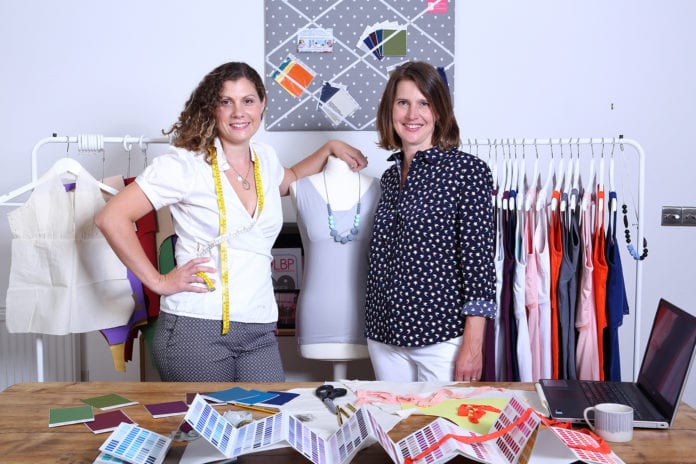
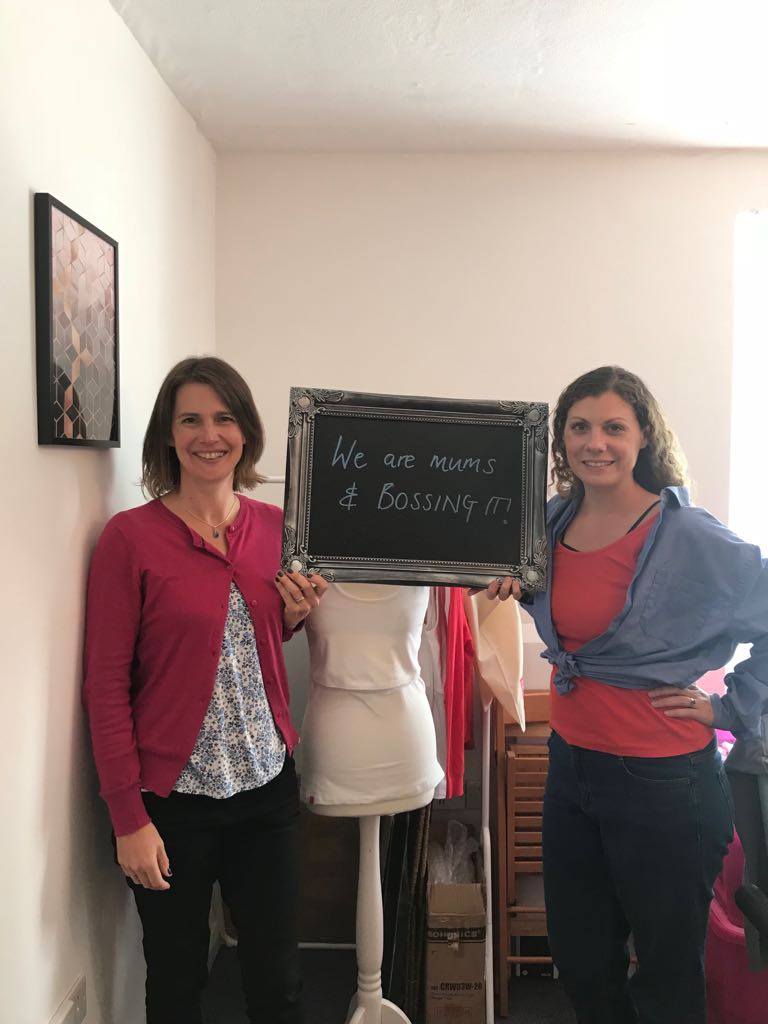
Motherhood by the founders of the Bshirt

1. Please introduce yourself: Name, what do you do & how many children you have.

Lisa and Philippa are co-founder and Directors of the Bshirt.

Lisa is a mum of two boys: Nico (7) and Xavi (4) and breastfed for a total of 4 years. Lisa was an NCT trained Breastfeeding Peer Supporter and counselled breastfeeding mothers voluntarily for 3 years. Professionally, Lisa has over 10 years’ experience in international marketing, public speaking, project management and budget management.

Philippa is a mum of two boys: Albie (7) and Brandon (4) and breastfed for a total of 4 years. Professionally, Philippa has 15 years’ experience in website production, with in-depth technical knowledge of digital marketing, ecommerce, SEO and social media.

2. How do you manage to juggle work and life balance as a mother?

There is never enough time for everything. We’re learning the art of delegation at work and at home. Division of labour! We tend to work hours to fit in with the school day – so we work 9am to 3pm – so that we can do the school run. But we might work evenings a few nights in the week to catch up. The highlight for us is being with our kids over the summer holidays – spending the day at the beach then home for dinner where we hand over to Dad, who relished taking the kids to the park for a play while we have some evening time in at the office. It’s a balancing act but it can be done.

3. What top tips would you give to any working mum?

Working mums are simply the most amazing people on the planet. It’s not just about being organised and delegating tasks. Us mums can have a division of labour when it comes to household chores but the mental load (planning everything that comes with family life) still resides with us. So to stay sane you need to make sure you not only delegate tasks but also responsibilities. Things like chores are easy to divide up but who’s responsible for the after school arrangements, or the doctors appointments, or new clothes, or making sure the swimming kit is ready? It’s us. So look after yourself – plan ahead as much as you can – forgive yourself when things go wrong – because they will go wrong – and ask for help when you need it.

4. What do you love most about London? Do you have a favourite spot with your children?

We both lived in London for over 10 years pre-children and really felt at home in what we felt was one of the best cities of the world. We love how London can be whatever you want it to be – a small village, busy nightlife, a great shopping trip, or a relaxing bike ride through the park. When we visit with our kids it’s hilarious – we always seek out city farms and parks! You can take the boys out of the country apparently, but even in a city like London they just want to climb trees. Our favourite place to stay in London with the kids at the moment is Blackheath and Greenwich Park.

5. How do you define quality ‘me-time’?

We have waited so long for this! But both of our children are now at primary school (hip hip hurray!) and we are determined to keep one weekday free for ourselves. We go to yoga classes, or a run, or meet up for coffee with a friend during the daylight hours in the beautiful market town of Totnes where we live. We’re also quite fortunate to have a great dancing venue, pubs and bars and even a retro cinema on our high street. You literally can’t keep us in at the weekends! We’re fortunate to have really great friends who love to let their hair down and we mustn’t forget to make some time for the hubby too! Date nights and babysitters are a must.

6. What is your favourite & least favourite thing about parenthood?

One of the hardest things about motherhood is losing your sense of self. We go from being independent women totally in control of our lives to being totally selfless and having to put our children’s needs above our own, which of course we do willingly and with love, but as the years go on it can really take its toll. Asking yourself – what do I want – is a really hard thing as often mum’s needs are at the bottom of the totem pole. Simple things like the clothes you wear and your hairstyle can have a big impact on your personal identity. So it’s really important to check in mentally with yourself when you can. But then one of the best things about motherhood is simply watching your children grow up and the rewards of all that self-sacrifice are played out within their little worlds as they forge their own friendships, make choices, and blossom in the environment you so lovingly created for them.

7. Tell us something people don’t know about you.

You might be surprised to know that when we first started breastfeeding we weren’t all that confident. We both fed our first sons in public toilets because we were scared about being harassed in the cafe.

8. Given we are all about embracing Motherhood, what advice would you give a first time Mum?

Well, our advice is please seek help and support if you decide to give breastfeeding a go. We both had moments when we felt like giving up in the early days – we would scream in the middle of the night ‘I hate breastfeeding!’ because it’s really hard and demanding and it can feel like the more difficult choice at times. Without support groups and telephone hotlines we might not have made it through. We’re so glad we got the support we needed, otherwise we never would have been able to feed until 2 years.

9. I’m a mum and……

Bossing it!

10. Finally, what do you love most about Kensington Mums?

We love Kensington Mums because it’s informative but in digestible browsable chunks. It has such a mix of content so has something for everyone, plus it is always nice to be in the loop on events going on in London. Having both lived in London, we visit often with our families, so it’s great to be able to keep our finger on the pulse with all the latest and greatest London events, pop ups and places to visit.


Win a full term of baby or toddler swimming lessons

To coincide with Baby swimming week, Swimming Rocks are offering one lucky person the chance to win a full term of baby or toddler swimming lessons at one of their sites* worth £288!

About Swimming Rocks

Swimming Rocks have a reputation as being one of Londons best swim schools . Offering lessons across 6 London venues, their ethos is driven by exceptional service as well being known for the outstanding knowledge and experience of its teaching and coaching team.
 
Owner and Manager Claire Harrison has been running multi site swim schools for over 19 years as well as being the co-designer of an award winning swim product called ‘Pool Platforms’. Claire is also a hardworking Mum to two little ones, so she fully understands the balance between running a fantastic company and managing her most import job to date…being Sam and Eva’s Mummy!
The company stays at the forefront of best practice swim tuition and they also understand that sometimes it’s impossible for parents to come to the lessons with their children, so by channeling the latest technology for busy customers, Swimming Rocks are able to send real time information after every lesson to its client Home Portal for instant educational feedback.
Offering private (1:1) and shared (2:1) lessons for children and adults and small group ratios of 4:1 for babies and toddlers, lessons are both progressive and educational and offer both weekly lessons during the term alongside school holiday crash courses.

Winning Prize

Win a full term of baby or toddler swimming lessons at one of their sites* worth £288!

How to enter

To be in with a chance to WIN this competition simply,

  • Fill in the Rafflecopter widget below to verify your entries
  • Please read full terms & conditions below
  • All entries must be registered with www.kensingtonmums.co.uk via Rafflecopter widget
 

*Terms and Conditions:

Competition opens 15th October 2018 and ends on 29th October 2018 • One 12 week term of lessons for the Spring Term 2019 (dates on swimming rocks website)  • One winner will be chosen after the competition has closed and they will be notified by email • Not available at the Purple Dragon club without membership • The prize is non transferable, non-refundable and there is no cash alternative and cannot be exchanged  • Competition open to UK residents Only • All entries MUST BE subscribed with www.kensingtonmums.co.uk • Not available in conjunction with any other offer •

If you would like more information or to book across course contact them directly on: 07557 051 904/ info@swimmngrocks.co.uk and you can read more articles from Swimming rocks here.

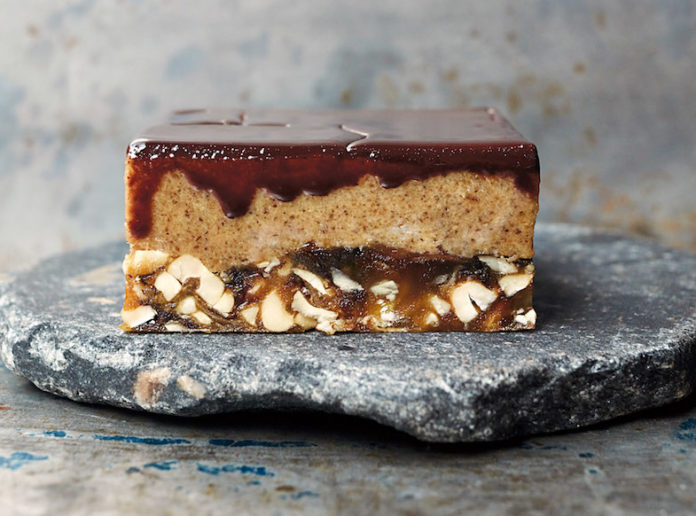
Raw food bar with cocoa, nuts and dates

Why not combine an energy boost with friendly fibre? Medjool dates (the slightly larger variety) are considered not only to be one of the sweeteners that we can best cope with, but are also packed with resistant starch, which provides food for the hungry bacteria that help you to balance your blood sugar.

serves 8–12

Base:

100 g almonds, peeled

100 g cashew nuts

200 g medjool dates, stoned

Filling:

100 ml cashew butter, see recipe below

100 ml cold-pressed coconut oil

200 g medjool dates, stoned

Topping:

4 tbsp cold-pressed coconut oil

2 tbsp cocoa

Base:

1. Coarsely chop the nuts.

2. Blend with the dates.

3. Lay in a baking tin coated with cling film. The base should be around 1.5 cm high.

4. Leave in the fridge for 1 hour.

Filling:

5. Blend the cashew butter, coconut oil and dates to a smooth batter.

6. Remove the baking tin from the refrigerator and spread the filling on top of the base.

7. Place in the freezer and allow to stand for at least 1 hour.

Topping:

8. Melt the coconut oil and whisk the cocoa into it.

9. Pour over the filling, covering the whole surface.

10. Leave in the freezer for 1 hour.

11. Remove from the freezer and cut into portions.

12. Allow to stand for a few minutes at room temperature before serving.

Cashew Butter

A handful of nuts per day makes your body feel better. All nuts are rich in fibre and

minerals. Cashew nuts contain a lot of resistant starch that nourish your good gut flora, thereby contributing to many positive effects such as balancing the blood sugar.

500 g cashew nuts

3 tbsp cold-pressed coconut oil

½ pinch salt

1. Cover the nuts with water and store chilled for 4–5 hours.

2. Strain off the water.

3. Mix the nuts, coconut oil and salt in a blender until smooth.

4. Store in an air-tight container in the fridge, where it will keep for several weeks.


Extract taken from Happy Food by Niklas Ekstedt & Henrik Ennart (Absolute Press, £22) is out now

Photography © David Loftus

10 brilliant things to do at home this half term

half term

Half term is around the corner! Here’s our round up of the brilliant activities to do at home this half term!

1. Baking

Number 1 all-time favourite of every child! Don’t worry about the mess and clearing up make it part of the activity.  Maybe a seasonal apple pie or crumble, Halloween biscuits. Or just buy some plain biscuits and let the children use their imagination with sprinkles and icing!  

2. Embrace Autumn


Go for a long autumnal nature walk and collect some crisp autumn leaves in lots of different colours. Make a leaf crown here. Find some fir cones! (see below).

3. Glitter!!


Everywhere, kids love glitter and sequins! Anything that can be dipped in PVA glue and glitter! Fir cones are really effective and could be a good way to start getting festive maybe..? 

4. Reading

Snuggle up and read some books, that have been on the list for a while.  Assign everyone a voice and character it soon becomes a real tradition and makes for more interactive reading. Try an audible book trial. It’s a great way to read some Harry Potter for any child that’s overwhelmed with the length of the book! Also don’t miss this great offer to learn to read in 5 weeks.

5. Numeracy and Spelling


Want to keep the brain active look at some apps for numeracy.  Have a target to learn a times table or set of spellings by the end of half term and then a reward. Have a look at our article on apps here which cover reading, numeracy, languages etc.

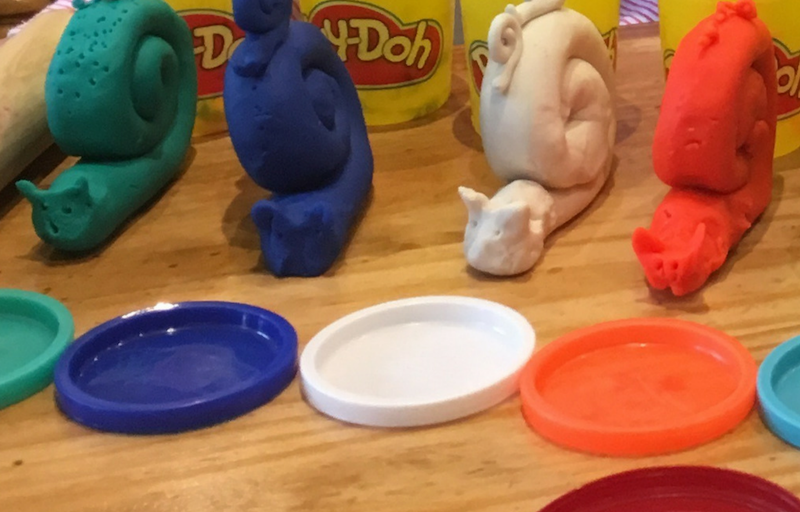
6. Play dough


Where would we be without it! The best bakers all started with play dough making worms, snails and pies. If you are lucky you’ll be asked to take thousands of photos of all the creations! ☺

7. Papier-mâché

Remember covering a balloon with newspaper and flour when you were at school? Making a mask? So much fun with papier-mâché, you just need a lot of old newspapers, magazines or comics. (Magazines make it more colourful!) Some water and flour and a balloon to cover or get creative with chicken wire too! Then paint it! You’ll need to do it over a few days for drying. See a guide here

8. Painting

Finger painting, splatter painting, paint your own canvas for Christmas gifts! Hobbycraft have a great range of box canvas’ to make your own works of art!

9. Decorating Pebbles


Have you tried decorating your own pebbles, stones or shells? All those ones you bring home from holiday that are sitting in a jar. Just need some acrylic pens or sharpies or even paint and a supply of pebbles or rocks and an imagination!

10. Sewing

Make some simple shapes out of felt and into hanging decorations. A pillow for a cuddly?  Or even a new cuddly!! Some favourite children’s t-shirts that no longer fit? Upcycle them into cushions and they make great keepsakes or memory cushions! More ideas here.

Let us know how you get on and share your creations and tag us! Happy Half Term!

Safe & Effective Movements For Pregnancy and Post Natally

yoga

When women get pregnant they want to continue with whatever exercise regime they have been doing up to that point. However, pregnancy puts limitations on what the body can and should do.

The major limitation is that the growing bump makes the heart  work harder and faster making mums-to-be feel breathless and hot in a resting state. It is also not advisable to move quickly because the blood would be directed to the fast moving muscles and away from the baby.

What can you do that is safe and will keep you in shape? 

  1. pelvic floor exercises,
  2. movements that help keep the posture in proper alignment and  
  3. that open the hips in preparation for giving birth.

Pelvic floor exercises keep the pelvic floor toned and they can be done in any position (standing, sitting, lying down). Remember to inhale squeeze and exhale release.

Proper posture begins with the feet and strong arches. When standing, try lifting then spreading your toes and lowering each toe one by one starting with the pinky. Then do it the other way.

An easy and effective hip opener is child’s pose. Do it with the knees apart and bring your sit bones onto your heels. As the bump grows, place your forehead on your forearms or a block to lift you.

After the joy of having a baby, there is so much pressure on new mums in our society to get back to the life they had before baby. Having a pre-pregnancy body is at the top of that list.

The first 3 months after you have had a baby are called “the fourth trimester” because you are still closely connected to your baby and your baby is an extension of you. You continue to nurture and support your baby through your breast milk and the safest place for your baby to be is – literally – next to you.   This is a very critical time during which your body needs to recover its strength from the demands of being pregnant and from giving birth. The body is still very fragile and vulnerable for some time after you’ve had a baby.

yoga

The best exercises to do at this stage are

  1. walking: have a friend join you or just take the baby in the buggy
  2. pelvic floor exercises: post natally squeeze on the exhale and release on the inhale.

After 6 weeks – or 8 weeks in the case of a caesarean – you can join a post natal yoga class unless your GP or health visitor recommend otherwise.

The yoga in a post natal yoga class is not so much asanas (poses) but movements that strengthen the abdominals and pelvic floor and realign the pelvis. For example, drawing in the belly to spine on the exhale helps to knit the abdominal muscles back together gently. Walking heel toe forwards and backwards helps to realign the pelvis.

There is also emphasis on movements that counteract the loving but shoulder hunching act of breastfeeding. By interlacing your hands behind your back, you automatically open the collar bones and bring the shoulder blades together.

By joining a pregnancy or a post natal yoga class,  you will learn many more movements that will help to  keep your body strong in a gentle but effective way. Namaste.


This is sponsored post by Libby Stevenson, Certified Pregnancy and Post Natal Yoga Teacher, Yoga Alliance Registered. Check her Weekly Post Natal Yoga classes at Evolve Wellness Centre, South Kensington, London.


Maître Mondays Great Again with Maître Choux


This is an offer no-one should miss out on. 
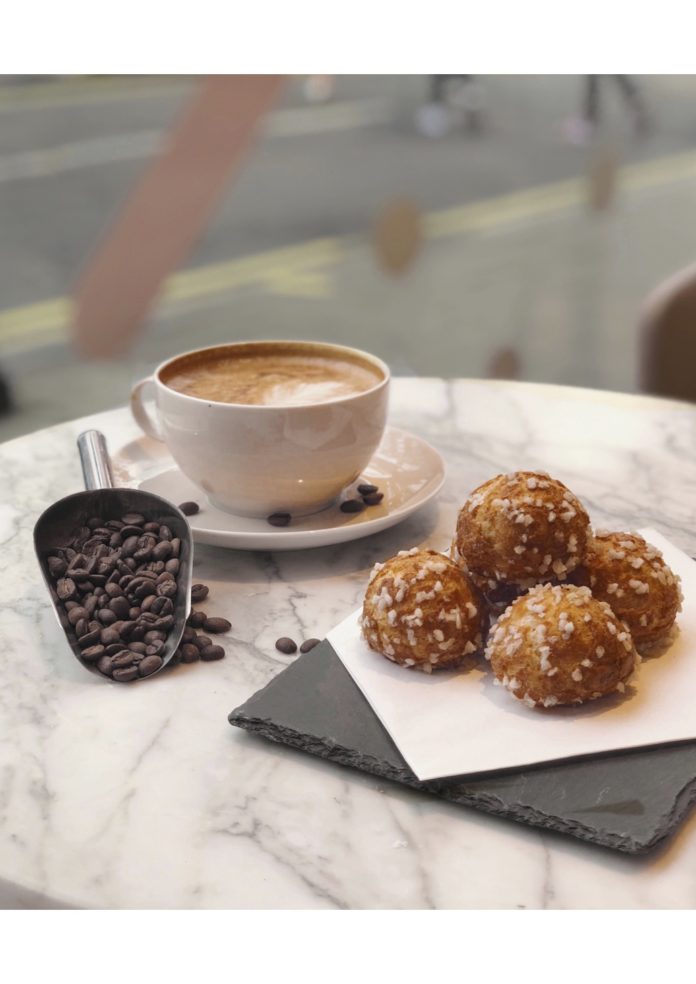
Maître Choux are making Mondays great again, or at least a bit more bearable, with a FREE cup of the iconic Monmouth coffee every Monday morning at their Soho and South Kensington locations.

Every Monday morning before noon Maître Choux will be providing a free cup of Monmouth coffee with every purchase of a bag of 10 warm, fluffy chouquettes.

Sourcing and roasting coffee from single farms, estates and cooperatives, Monmouth Coffee believes that when you know where your coffee comes from and who grows, picks and processes it, this is truly sustainable and fair. Beginning in 1978, Monmouth Coffee has grown to two shops in Covent Garden and Borough Market, solidifying themselves as a London staple.


The offer is valid until
Monday 15th October, and will run exclusively at Maître Choux locations in Soho and South Kensington.

Opened in 2015, Maître Choux is the creation of Three Michelin star chef Joakim Prat, and his business partner Jeremie Vaislic. While traditionally the finest pastries were only available in the most exclusive restaurants, Joakim and Jeremie are on a mission to bring the patisserie experience, and the highest quality products made with the freshest ingredients, to everyone.


Make your way to your local Maître Choux and dive into your chouquettes and coffee – and make your Mondays great again.


About Maître Choux

Opening in 2015, Maître Choux is the creation of Three Michelin star chef Joakim Prat, and his business partner Jeremie Vaislic. While traditionally the finest pastries were only available in the most exclusive restaurants, Joakim and Jeremie are on a mission to bring the patisserie experience, and the highest quality pastries made with the freshest ingredients, to everyone. With this at the heart of Maître Choux, they have quickly become the go-to patisserie in London. Maître Choux now has five locations across London, with the South Kensington shop opening and products being sold at Fortnum & Mason beginning in 2015, products being featured on Caviar House’s dessert menu from 2016, the Soho shop opening in 2017, and the Westfield London kiosk opening in summer 2018. Their newest location on the King’s Road is set to open this autumn. A
ll Maître Choux products are vegetarian.


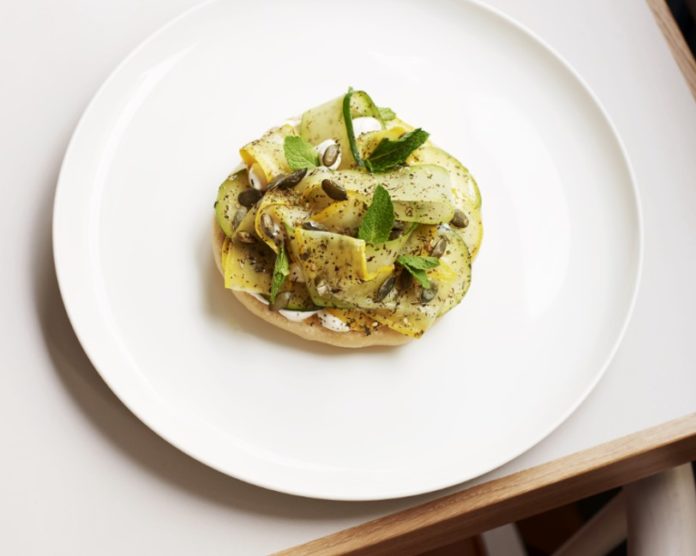
Flat bread with yellow and green courgette and homemade taramasalata

Wellbourne Brasserie opened earlier this spring in White City Place and offers a unique British menu.  Their share with us this yummy homemade recipe to try at home.

SERVES: 12

Flatbread

600g White bread flour

150g Sourdough Starter – you can either ask your local baker for this or make yourself from flour and water

3g Sugar

410ml Water

12g Yeast

20g Salt

150g Semolina

Method

* Mix the flour, starter and sugar in one bowl. Combine the yeast and water in another and then mix into the flour until a dough is formed.

* Cover and leave to prove for 45 minutes.

* Fold the dough and repeat for another two proves (three total).

* Weigh into 100g pieces and roll into tight balls.

* Store between lightly oiled clingfilm overnight in the fridge

* Flatten out the ball using a little semolina

* Cook in a dry non-stick pan on a medium/ high heat for about 2 minutes or until brown

Taramasalata 60g smoked cods roe – skinned 18g Lemon juice 18g White wine vinegar 4g Salt 65g White bread – crusts removed and chopped

150ml milk 3g garlic 50ml Warm water

10g Mustard 300g Olive Oil

Method

* Remove the crusts from the bread and chop into small pieces

* Crush the garlic

* Mix together the skinned smoked cods roe, lemon juice, white wine vinegar, salt, bread and milk

* Leave to one side for 30 minutes

* Then add then mustard and olive oil to emulsify

Courgettes

2 Yellow courgettes

2 Green courgettes

Method Slice the courgettes and keep in 1% salt solution until ready to serve

Serving

Serve the flat breads warm and cover with a generous helping of taramasalata, top with the sliced courgettes and season with salt and pepper


Head Chef and owner, Ross Gibbens, has worked in some of the UK’s leading restaurants including Dabbous, Launceston Place and two Michelin-started venues including Le Manoir aux Quat’Saisons, The Square and The Vineyard in Berkshire.

He started Wellbourne with his former Dabbous colleague, Michael Kenndey. In addition to Wellbourne Brasserie the group features two other individual restaurants, Wellbourne in Clifton Village and Wellbourne Salardu and a fine dining and apres ski restaurant and bar in the Spanish Pyrenees.

Anxiety in motherhood

anxiety

Being a Mum and coping with the overwhelm and anxiety is hard enough but what happens if you just can’t get rid of the anxious feelings? How do you deal with them?

It’s normal to feel anxiety and worry, you might feel it before a job interview or before your children start school, however for some people the worries and anxiety are constant and you experience a constant sense of dread and feel constantly on edge. Anxiety can become more severe and can take over and start to affect everyday life. The mind goes into worst case scenario and anxiety levels soar. A side effect of anxiety can include panic attacks.
It’s very common to develop anxiety at some point in your life and for many mums it can start when their children are born, the overwhelm of a new baby and the worry about keeping them safe from harm can lead to anxiety that you can’t just shake off. Anxiety as a parent can also take the form of worrying that you are not being a good enough parent and feeling anxious that everyone else is doing it better than you.

“Smile, breathe, and go slowly.” ~Thich Nhat Hanh

10 Signs of Anxiety

The symptoms of anxiety start as if you were anxious or worried but get more intense and last longer than normal these can include:

  1. Feeling worried, nervous and frightened
  2. Lack of concentration
  3. Lack of appetite
  4. Palpitations – a strong or fast or irregular heartbeat
  5. Shortness of breath
  6. Dizziness or feeling faint
  7. Headaches
  8. Difficulty sleeping
  9. You begin to sweat your mouth becomes dry
  10. Feeling detached from reality

What can you do to manage your anxiety?

Try and figure out what triggers your anxiety, this can help you prepare for a future attack. Is it when your children go to school or when you check in with social media?
Have a think if it could be related to your monthly cycle. Tracking your feelings via an app is a great way to monitor and track your levels of anxiety and also your monthly cycle.

There are a lot of apps that can help with anxiety believe it or not! One of which is headspace which helps get you into a routine of meditation. Here’s a list of some other apps that will help too.

Get everything written down and out of your brain. Anxiety likes to lurk in your brain so the more you can talk about it and get it out in the open or write about it the more you release the worries from your mind.

Don’t brush it under the carpet, recognise that you are suffering from anxiety. Just saying it out loud and putting a name to it will help. Tell people around you are feeling anxious, kind words will come and help with the overwhelm. Read just your mindset to what is good enough. The strive for perfection can affect anxiety so remember done is better than perfect.

Research has shown that Mindfulness can reduce anxiety and depression. Mindfulness helps to focus on the present moment and stops your brain from wondering. More here.

Mediation calms the mind during meditation the body has ‘the relaxation response’, which gives the body deep rest, rest that is deeper than the rest from sleep. Exercise releases endorphins that make you feel good and can really help anxiety. Regular aerobic
exercise can help reduce tension and just five minutes of aerobic exercise can stimulate anti-anxiety effects. Yoga and Pilates help you to focus on your breathing which is a great anxiety buster.

“Just five minutes of aerobic exercise can stimulate anti-anxiety effects.”

Try some CBT – Cognitive Behaviour Therapy which works by redefining negative thinking and thought patterns into more positive ones. It examines the things you think and how they relate to the things that you do. Speak to your GP – medication can help for some and can be the bridge you need to help you make positive changes.

Finally, avoid any type of comparison with other Mums everyone is on a different journey and you can’t see how frantically everyone else is paddling under water to keep afloat.
Remember above all you else you are a great Mum.

“Everyone is on a different journey, you can’t see how frantically everyone else is paddling under water.”


It’s World Mental Health Day is on 10 October 2018. Speak out and seek help.

Why Exercise and Keeping Active is Vital for Babies and Children?

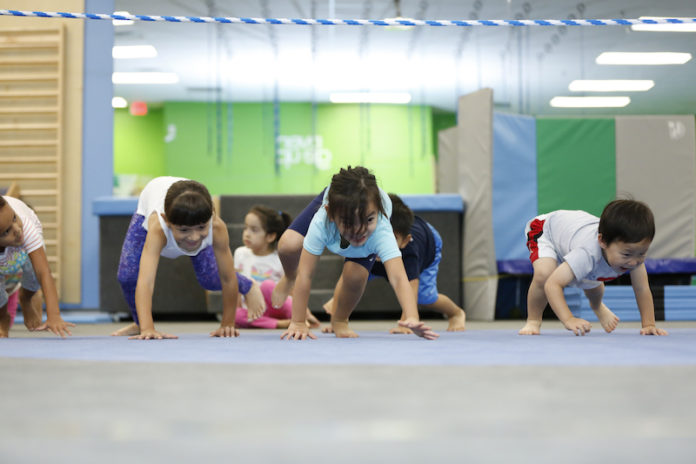
Exercise and Active Play is an essential habit to instil, practice and normalise into a child from a really young age. Not only will a child benefit physically, she or he will also thrive emotionally, socially and cognitively. By bringing exercise into play at the early stages of development and throughout, we are minimising stress levels within the body, and encouraging a more balanced, healthy and active lifestyle.

My Gym’s Top 5 Reasons that Kids should be Active

1. Healthy Kids = Healthy Adults

Not only are physically active children less likely to be overweight, they will have stronger muscles and bones, and lower cholesterol and blood pressures. They also have a decreased risk of developing diseases such as type 2 diabetes.

2. Happier, and more Rested

Exercise increases blood flow around the body, hence getting more oxygen and nutrients to the brain and other vital organs. It releases endorphins which in turn makes the child feel happier and more energised. It can also improve memory, decrease anxiety and depression, and help them to sleep.

3. Growth in Confidence & Social Skills

When participating in group sports or classes they’re not only getting exercise – they’re picking up social cues. They are learning how to work together, building confidence and friendships. Physical fitness, and a feeling of accomplishment can boost also children’s self-esteem, and build their characteristics.

4. Everyday Tasks become Easier

The development of crucial skills such as fine and gross motor skills, coordination, balance and stability determine a child’s ability to perform everyday activities such as doing up their buttons or shoelaces, using a knife, fork and scissors. Active play enhances these skills and allows them to grow and develop at a more confident, fast pace.

5. They will be more successful at School

A lack of core strength, endurance and muscle tone can affect a child’s stability making it a chore to sit up straight for long periods of time. In addition, a lack of fine motor skills and coordination can make writing challenging as well. Focussing too hard on these everyday tasks can be tiring and frustrating for a child and can have a knock on effect on their behaviour, and their attention span at school.

So how do we incorporate exercise into our children’s daily routine?

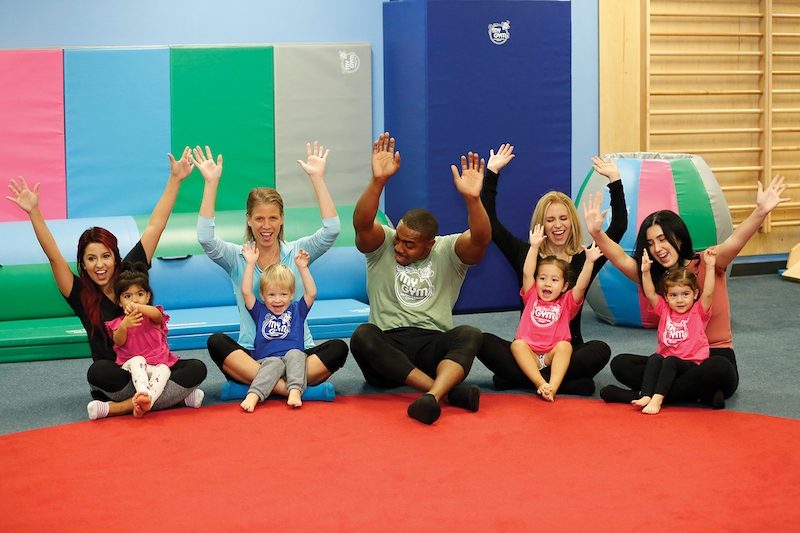
Get children away from the screen and off the sofa, make “exercise” fun, get the whole family involved and get creative! For babies and older kids we recommend doing group

classes, and practicing what you learn at home and in the garden. Incorporate being active into your daily schedule, go for a walk, have a dance party in the living room, act our your favourite story before bed. There’s never been a more important time than now.

Why My Gym?

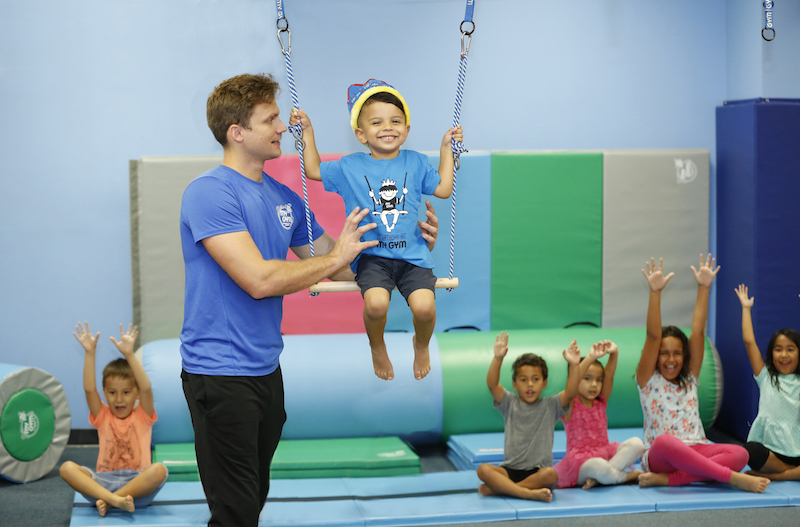
We believe in the notion of “Fitness Made Fun”. The My Gym space has been designed to encourage kids to move. Each week the custom-made equipment is set up in new and exciting ways to keep kids of all ages challenged, and encourage them to think about how to move around the space.

Every class, party and camp has been specially planned to ensure that the children are working on their key development points, and skills such as fine & gross motor skills, coordination and spatial awareness are incorporated into every session.

Enrolment in classes also includes 4 Practice & Play Sessions a week which means that you could come and visit your favourite teachers 5 times a week! And you know that little one is one step closer towards the NHS recommended minimum of 3 hours of energetic activity each day!

It’s time to take action, it’s time to shape your child’s future and the time is NOW!


This is a sponsored post by My Gym Battersea, check their website for full schedule fo classes and offers.

Most Popular